Biodiversity Cultivate a Breton vineyard without chasing away the living things that inhabit it

Our approach to viticulture in Brittany

Using an organic approach since the first planting: a choice of conviction, not a label

At Domaine Lamballe, we have cultivated our vines without herbicides or insecticides since the first planting in 2023. Preventative treatment with copper and sulfur, mechanical soil work, controlled grass cover, this is the approach we chose from the start.

We have not initiated the official conversion to Organic Agriculture. Out of pragmatism. The Estate represents a colossal investment and we cannot take the risk of losing an entire harvest due to regulatory obligations in the event of a catastrophic year. In case of extreme necessity to save a harvest, we reserve this right. Since 2023, we have never needed it.

Our intention is to begin AB conversion within 2 to 3 years, when we will be confident in our ability to get through difficult years without resorting to it. We prefer an honest and progressive approach to a label that would mask a reality that we do not yet fully understand.

What we do not compromise: zero herbicides, zero insecticides, zero effluent discharged into nature.

Vue aérienne d'un tracteur travaillant le sol entre les rangs de Chardonnay du Vignoble Lamballe, sans herbicide, à Baden
12
Hives installed
21
Nest boxes placed
320
Trees planted - 50 species
7,2 ha
Unworked areas
0
Insecticide herbicide

A vine worked like an ecosystem

sustainable viticulture, from the plot to the cellar

Controlled grassing between the rows, sowing of plant cover, green manures and flower mixtures, gentle pruning, limited tractor use. Each intervention is considered to reduce stress on the plant, nourish the living soil and strengthen the natural resilience of the vineyard in the face of the Breton climate.

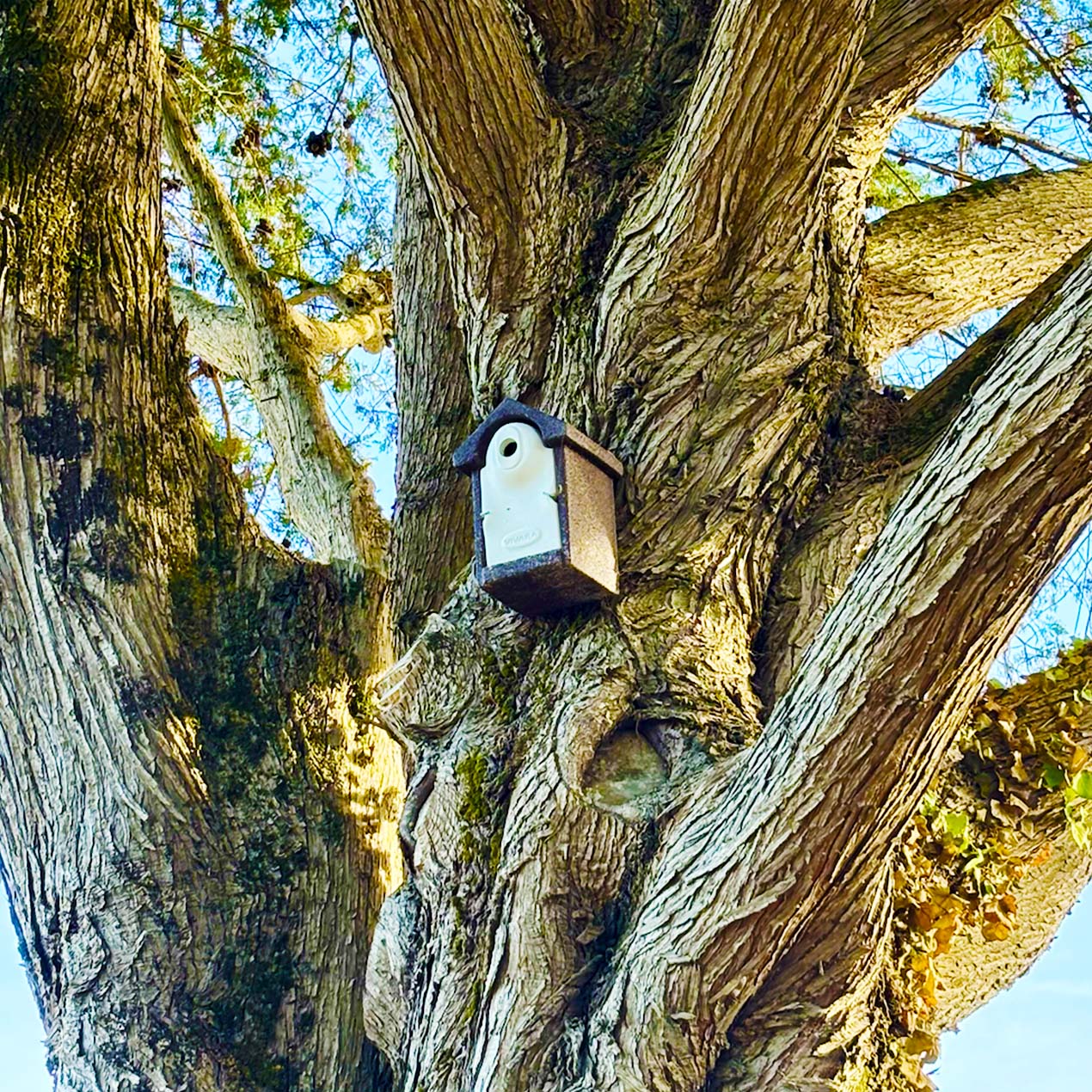
Nichoir à mésanges sur un arbre du Vignoble Lamballe, auxiliaires naturels de la vigne à Baden

12 beehives near the vineyard

pollinating allies

Installed on the outskirts of the vineyard with apprentice beekeepers from Kerplouz, the hives play a key role in the pollination of the estate’s hedgerows and flower meadows. A discreet presence but essential to the balance of Kerfraval’s ecosystems.

Vue aérienne des noues et retenues d'eau du Domaine Lamballe au coucher du soleil, gestion de l'eau d'un vignoble breton

320 trees to rebuild the Breton countryside

50 species planted in Kerfraval

There are trees that have survived dinosaurs, glaciations, atomic bombs. Ginkgo biloba is one of them. We planted them in Kerfraval, alongside giant sequoias, camphor trees and dozens of other species chosen for their ability to create life around them.

Each tree is a habitat. Together, they form ecological corridors that connect the hedges, the pond and the vineyard into a single living ecosystem. More than 320 trees and shrubs from 50 species. To shelter wildlife, regulate the water cycle and because Kerfraval deserved it.

Panneaux solaires en toiture du chai du Domaine Lamballe, autonomie énergétique du vignoble
Feuille de vigne de Chardonnay à contre-jour au Vignoble Lamballe, vignoble breton du Golfe du Morbihan

21 nest boxes for the winegrower’s helpers

tits and bats

Titmice, barn owls, bats, each species naturally regulates vine pests. The nest boxes were positioned according to the ecological corridors mapped in 2022, as close as possible to the Chardonnay plots.

Ruches installées en bordure des vignes du Vignoble Lamballe, biodiversité d'un vignoble breton à Baden

Zero irrigation on the vineyard

a redesigned water cycle

The vineyard is not irrigated. On the estate, rainwater follows a natural path, swales, reservoirs and ponds collect and store rainwater from buildings rather than letting it drain away. Three boreholes supply the winery, social premises and gîtes, where pressure reducers limit consumption to showers and taps.

Jeunes ginkgos biloba plantés le long du vignoble, parmi les 320 arbres du Domaine Lamballe à Baden

A winery that is self-sufficient in water and energy

solar, drilling and phyto-purification

Solar panels on the roof covering almost all electrical needs in summer, drilling to power the winery, toilets and outdoor spaces, phyto-purification platform to treat all of the site’s wastewater using plants, without any polluting discharge into nature. A building designed from the start to be as neutral as possible.

An area that heals itself

Biodiversity is not a soul supplement. This is the long-term economic model of a resilient vineyard. Fewer inputs, fewer passages, more balance. Our choices today are the savings of tomorrow.

Your questions about our approach

Viticulture, biodiversity and resources